At 4:40 on a Tuesday afternoon last week, I looked up from my laptop and realized I was squinting at my screen in a gray, almost blue room. It wasn't even five o'clock. Our living room windows face north, which means we never get direct sun, and by late November the light simply gives up around mid-afternoon.
For our first winter here, our answer was the ceiling fixture: a single flush-mount dome that makes the whole room look like a dentist's waiting area. This is our third winter, and I finally think we've figured out how to make the evenings feel warm instead of either gloomy or interrogation-bright.
The trick is layers. Not one big light, but several small ones at different heights.
The three layers we use
1. Ambient: the general glow
This is the soft, overall light that keeps you from bumping into furniture. In our living room, it comes from a tall floor lamp with a linen drum shade in the corner by the bookshelf. It bounces light off the ceiling and wall, which is far gentler than the overhead dome. I bought it secondhand for $20.
2. Task: light where you actually do things
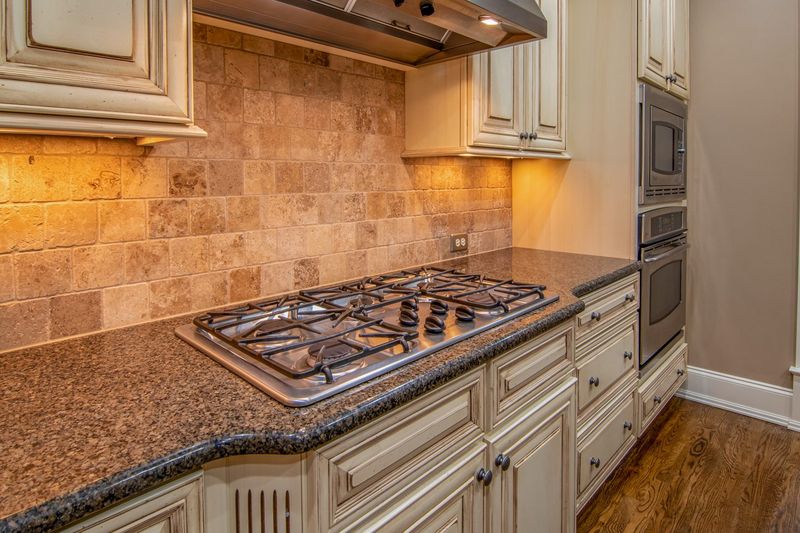
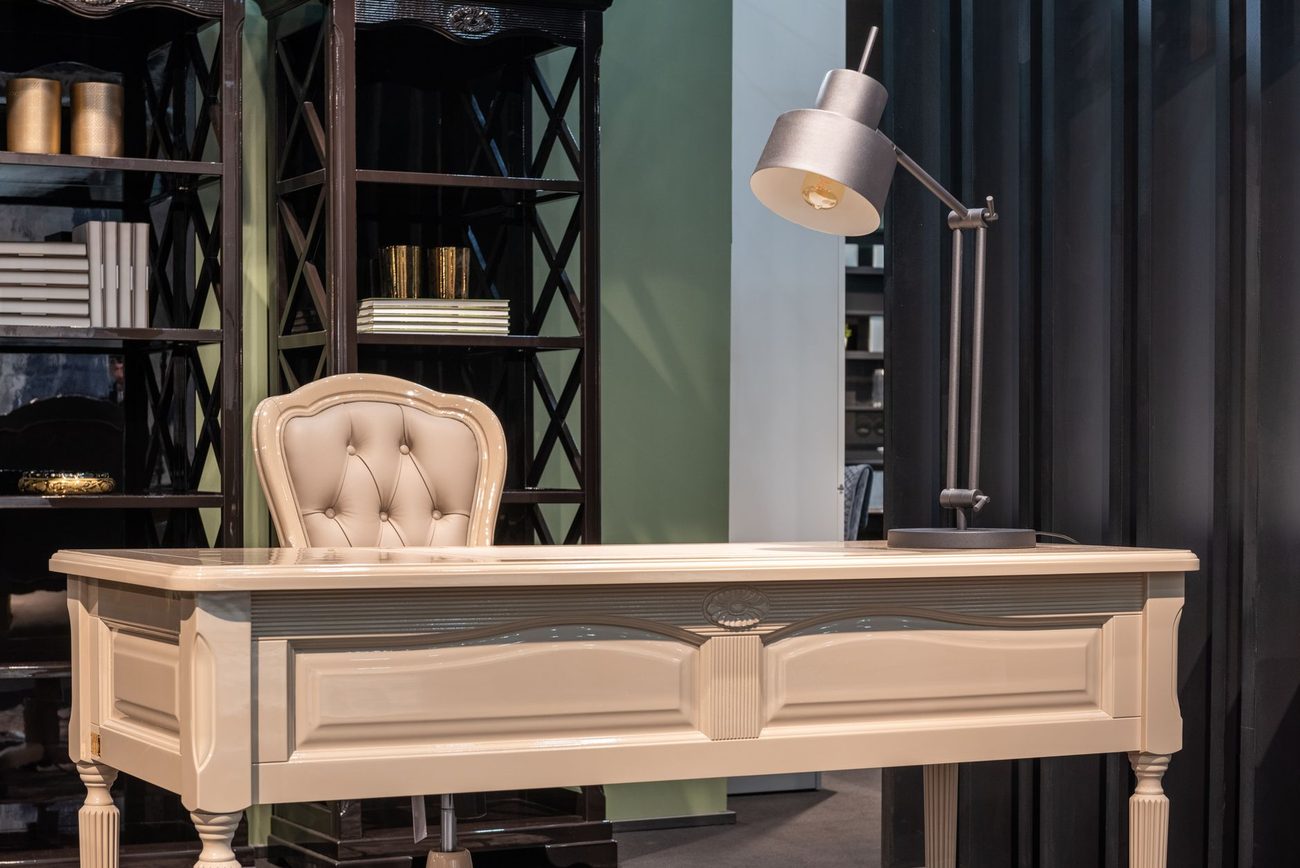
I work from home, and my desk is in the corner of the living room. A small adjustable desk lamp aimed at my keyboard means I'm not straining my eyes once the daylight fades. Sam has a clip-on reading light on his side of the couch for his evening book. In the kitchen, a stick-on, battery-powered LED bar under the cabinet lights up the counter so I'm not chopping onions in my own shadow.
3. Accent: the cozy part
This is the layer that makes a room feel lived-in. We have:
- A small ceramic table lamp on the bookshelf, with a warm bulb, that glows more than it lights.
- A string of warm white fairy lights draped along the top of the curtain rod, hung with removable hooks.
- Two battery candles on the windowsill with a timer. They come on at 4:30 every day, which has become my unofficial "wrap up work" signal.
Bulbs matter more than lamps
This is the single cheapest change we made. Our ceiling dome and the bathroom came with harsh, bluish bulbs. We replaced every bulb we control with warm white LEDs, labeled around 2700K on the box. They give that soft, yellowish glow instead of an office feel. LEDs also barely use any electricity, which matters in an all-electric apartment where our winter bills already climb high with baseboard heat.
A few bulb tips we learned the hard way:
- Match color temperatures in the same room. One cool bulb next to a warm one looks oddly mismatched.
- Dimmable bulbs are worth it for lamps you'll use at night, paired with a plug-in dimmer if the lamp doesn't have one.
- Keep the original bulbs in a labeled bag. When we move out, they go back in.
What it cost
| Item | Approx. cost |
|---|---|
| Secondhand floor lamp | $20 |
| Desk lamp | $18 |
| Under-cabinet LED bar (battery) | $15 |
| Fairy lights + removable hooks | $12 |
| Battery candles with timer (2) | $14 |
| Warm LED bulbs (pack of 6) | $13 |
| Total | $92 |
We spread this over two winters, so it never felt like a big purchase. Sam's clip-on reading light was a gift from his sister, so it doesn't count.
How we use it every evening
Around 4:30, the battery candles click on. When I close my laptop at five, I turn off the desk lamp and turn on the floor lamp and the bookshelf lamp. When Sam gets home, the fairy lights go on. We almost never use the overhead light in the living room anymore, except when we're cleaning or looking for something Olive has batted under the couch.
The bedroom gets the same treatment on a smaller scale: two bedside lamps with warm bulbs, no overhead light after dinner.
It sounds like a lot of lamps for a 640-square-foot apartment. But every one of them runs on a regular plug or a battery, none required a single hole in the wall, and all of them will come with us whenever we eventually move.
Last night it was fully dark by five. Sam came home, dropped his bag, looked around at all the little pools of light, and said it felt like walking into a cabin. I'm choosing to believe that was a compliment.